

How to Open A Pool After Winter in Ontario: Step-by-Step Guide
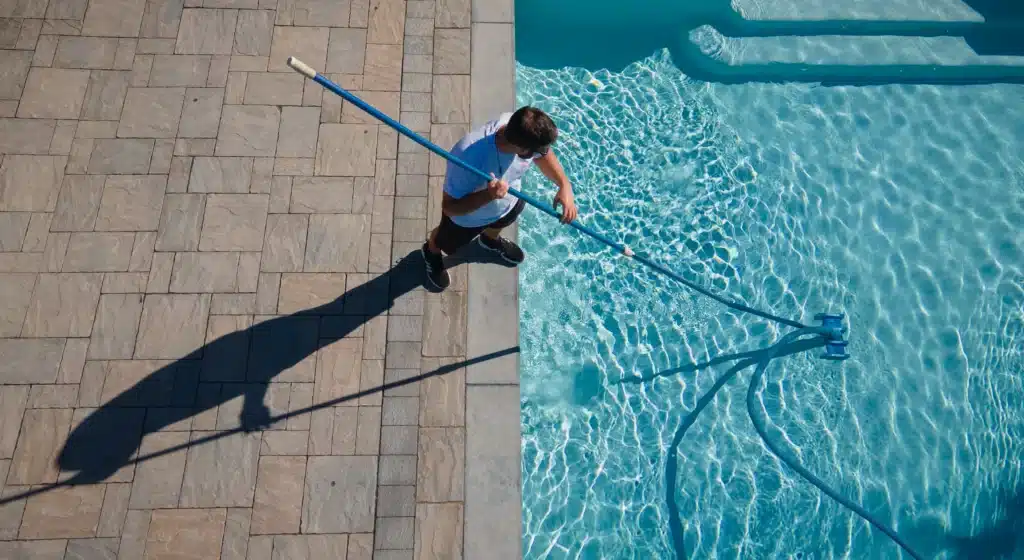
Opening your pool after a long Ontario winter is one of the most anticipated signs of spring. But reopening a pool properly is more important than many homeowners realize.
After months of freezing temperatures, snow, and debris buildup, pools can develop issues if the opening process isn’t handled carefully. Taking the right approach early in the season helps protect your pool, maintain water quality, and set you up for a smoother swimming season.
Whether you plan to handle the process yourself or work with a professional pool opening service, this guide walks Ontario homeowners through the key steps for how to open a pool after winter.
In this guide:
Why Proper Pool Opening Matters
When Should You Open Your Pool in Ontario?
Step-by-Step: How to Open Your Pool After Winter
Common Mistakes to Avoid When Opening a Pool
Gib-San Pool Opening Services: What’s Included
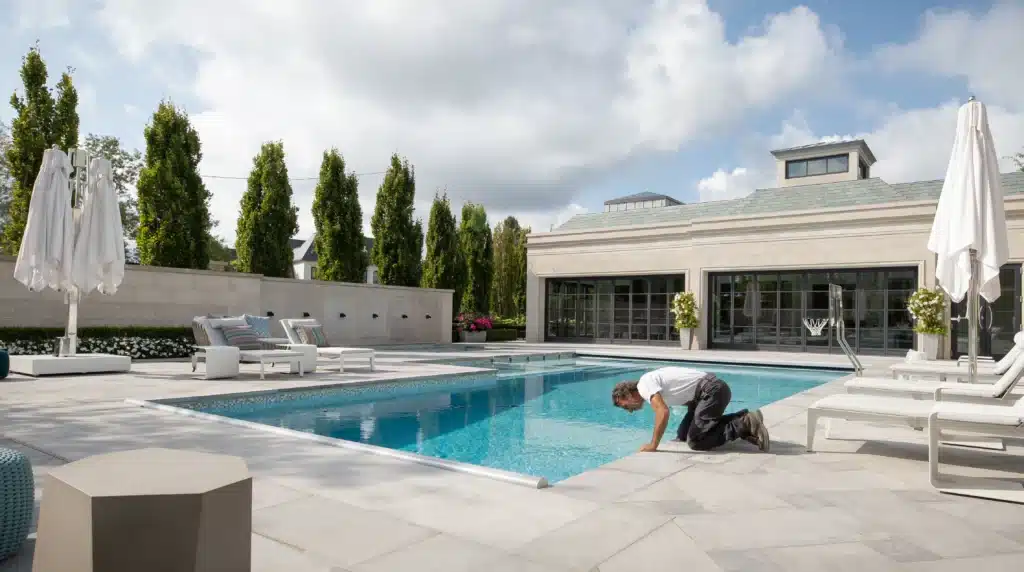
Opening a pool correctly involves more than simply removing the cover and turning the system back on. After months of winter conditions, pools often contain debris, imbalanced water, and equipment that has been inactive for an extended period.
If these factors aren’t addressed properly during opening, homeowners may run into issues such as:
- Algae growth from stagnant water
- Cloudy or poorly balanced water
- Equipment strain or leaks when systems restart
- Repairs caused by unnoticed winter damage
Ontario winters can be particularly tough on pool systems. Freeze–thaw cycles, heavy snow, and prolonged cold temperatures can put pressure on plumbing lines, fittings, and equipment components.
Taking a careful approach when reopening your pool helps ensure everything is functioning properly before the swimming season begins.

One of the most common questions homeowners ask is when to open their pool after winter.
In Ontario, most pools are typically opened between late March and early May, depending on weather conditions and homeowner preference.
Opening earlier in the season has several advantages:
- Cooler water temperatures help slow algae growth
- It allows time to properly balance the water before peak swimming season
- You can avoid scheduling delays during the busy spring service period
Many homeowners assume they should wait until consistently warm weather arrives, but opening earlier often makes spring pool maintenance easier and more manageable.
If you plan to schedule a professional pool opening service, booking ahead of time is recommended to secure your preferred date.
Thinking about installing a new pool in the future? Many homeowners are surprised to learn that fall is often the best season for pool installation. Learn why in our guide to fall pool installation benefits.
If you plan to handle the process yourself, following a structured checklist will help ensure nothing is missed. Below is a practical guide on how to open a pool after winter in Ontario.
1. Remove and Clean the Pool Cover
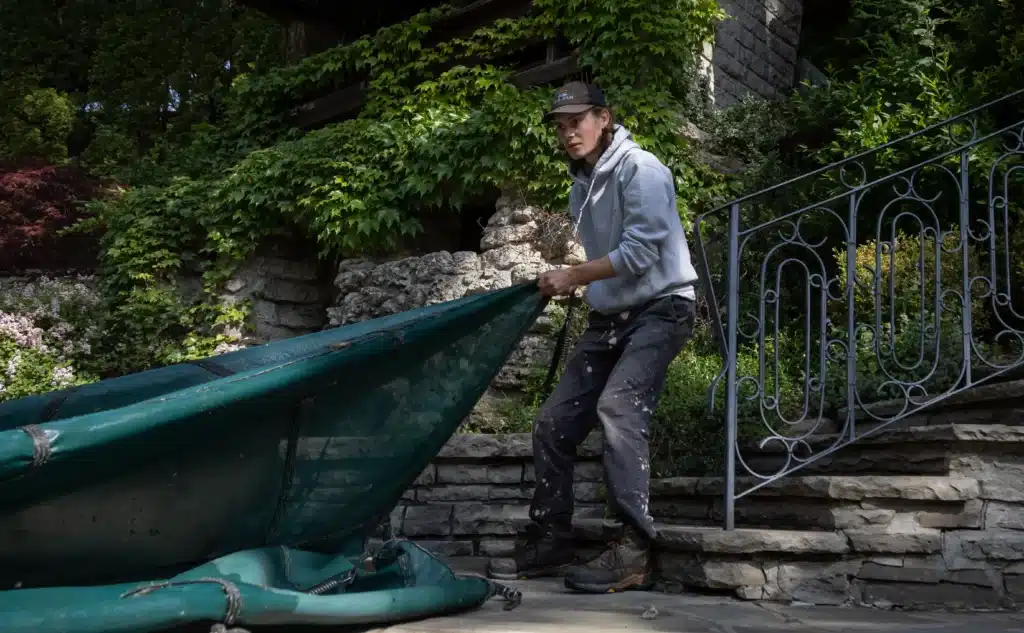
Start by carefully removing your winter pool cover.
Before taking it off, remove any standing water or debris using a cover pump or soft broom. This prevents dirt from falling into the pool.
Once removed:
- Spread the cover out on a flat surface
- Rinse it with a hose
- Use a mild cleaner if necessary
- Allow it to dry fully before storing it
Proper cleaning helps extend the life of your cover and prevents mold or mildew during storage.
Properly storing your winter cover helps extend its lifespan and makes closing your pool easier at the end of the season. If you’re planning ahead, read our guide on how to winterize an inground pool in Toronto.
2. Skim Debris and Inspect the Pool
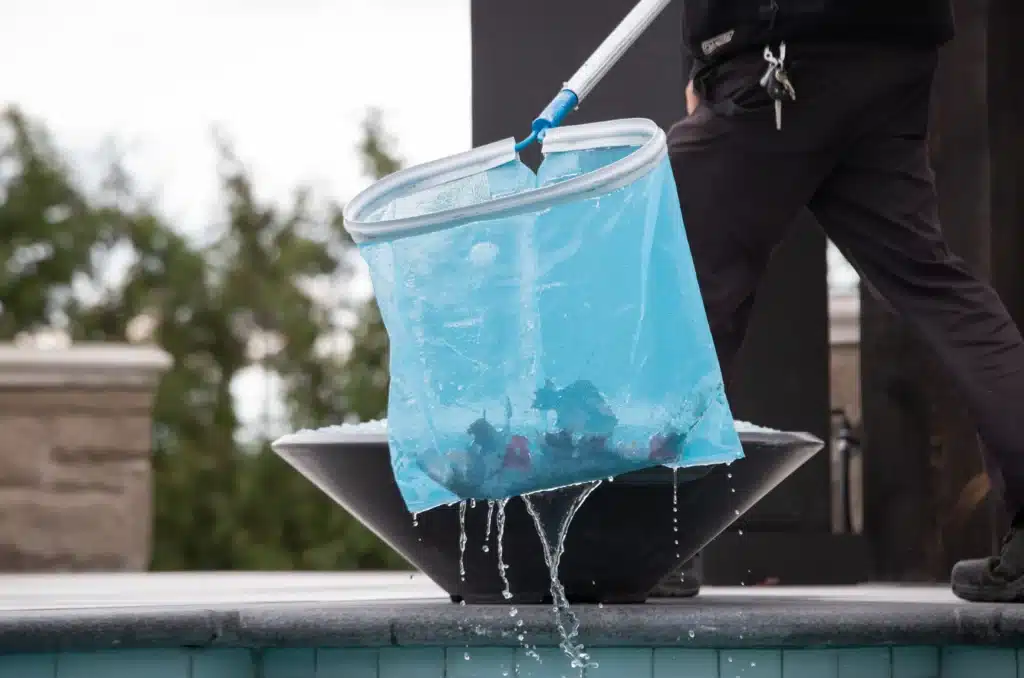
After removing the cover, inspect the pool water and surrounding area.
Look for:
- Leaves and debris
- Signs of algae or cloudy water
- Damage to the pool liner or tiles
Use a skimmer net to remove any debris that accumulated over the winter. A quick inspection now can reveal small issues before they develop into larger repairs.
3. Reinstall Plugs, Ladders, and Return Fittings
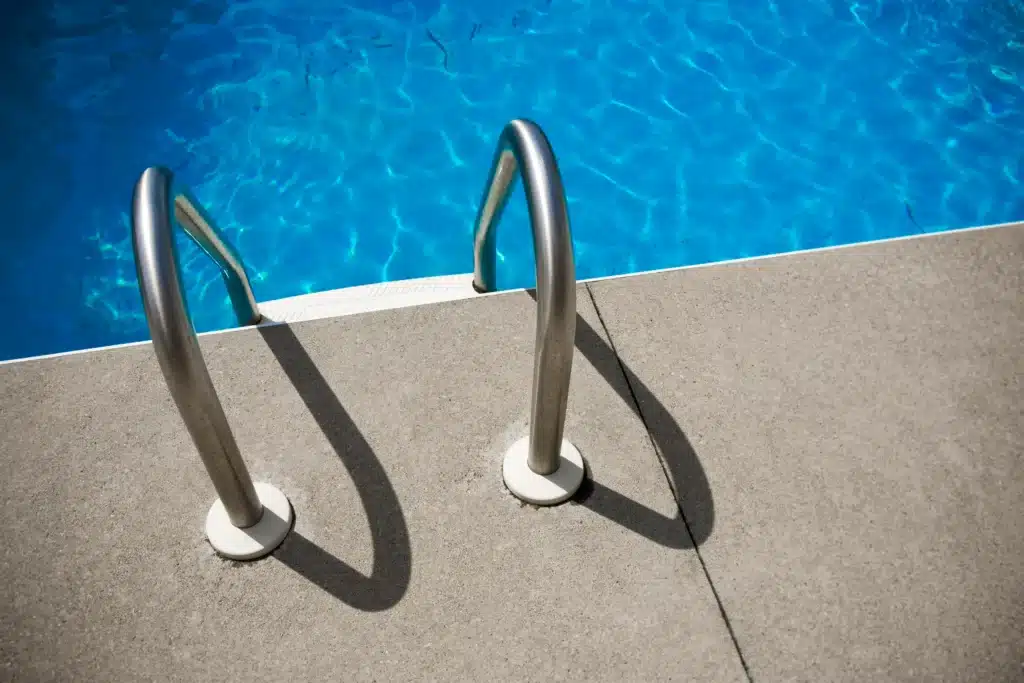
During winterization, several components are typically removed or plugged to prevent freezing damage.
Before starting the pool system:
- Remove winterizing plugs
- Reinstall return fittings
- Reattach ladders or handrails
- Replace skimmer baskets
Double-check that all fittings are properly secured to prevent leaks once the system starts
4. Reconnect and Inspect Pool Equipment
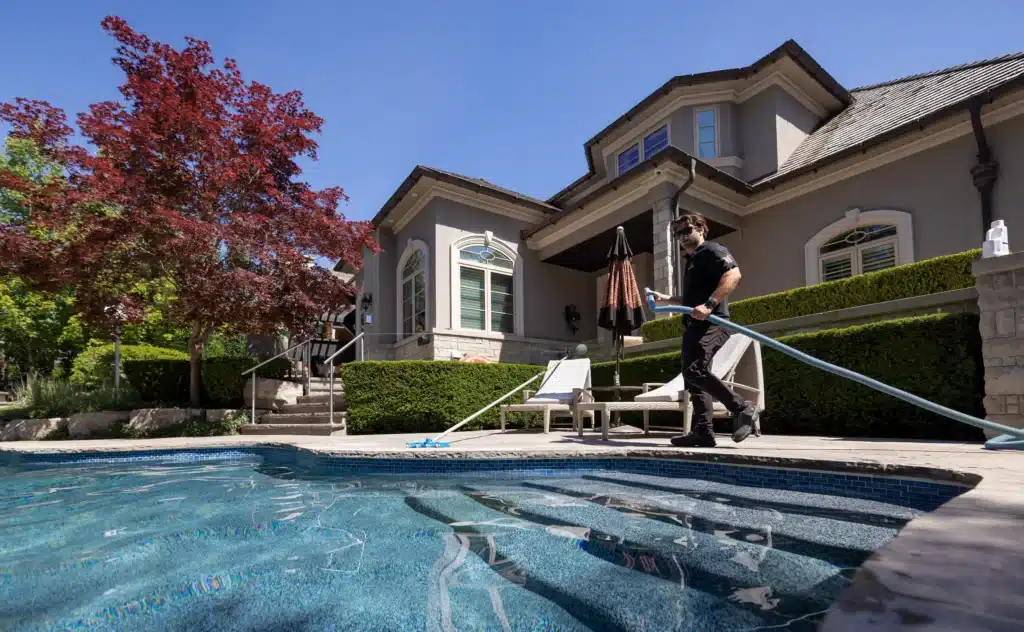
Next, reconnect and inspect your pool’s mechanical equipment. This typically includes your pool pump, filter system, heater, and chlorinator or salt system
Before turning anything on, check for:
- Cracks in hoses or fittings
- Loose connections
- Visible leaks
Running equipment that hasn’t been properly inspected can lead to pump damage or water loss.
If you notice any issues during your inspection, the Gib-San Pools Client Care team can help diagnose and service your pool equipment before the season begins.
5. Fill the Pool to the Proper Level
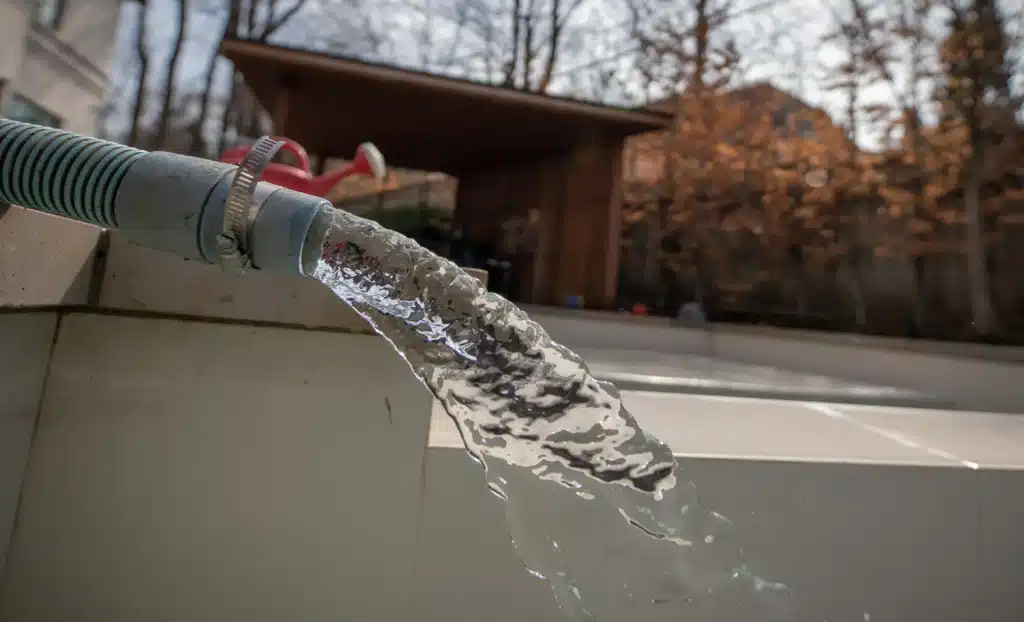
Water levels often drop over the winter due to evaporation or cover removal.
Use a garden hose to fill the pool until the water reaches the midpoint of the skimmer opening. This level allows proper circulation and filtration once the pump is running.
6. Test and Balance Pool Water Chemistry

Water testing is one of the most important steps in how to open a pool after winter.
Use a pool test kit or test strips to measure:
- pH levels
- Alkalinity
- Calcium hardness
- Chlorine levels
Reliable test strips make it easy to quickly check your water at home. For traditional chlorine pools, you can use Gib-San’s 7-in-1 Chlorine Test Strips or Gib-San’s 6-in-1 Bromine & Chlorine Test Strips.
Adjust the chemistry gradually to bring the water back into balance. Balanced water improves swimmer comfort and protects pool surfaces and equipment.
Using professional-grade chemicals can make a significant difference in water clarity and stability. Learn more about why quality products matter in our guide to professional-grade pool chemicals in Toronto
7. Add Opening Chemicals
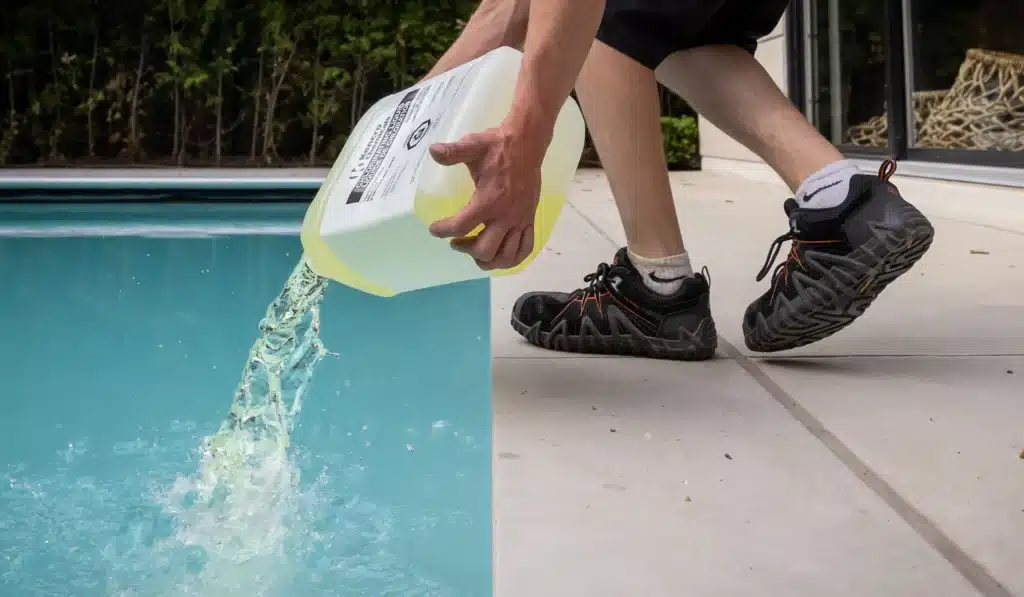
Once water chemistry has been tested, add appropriate pool opening chemicals.
Typical spring pool treatments include:
- Shock treatment to eliminate bacteria and contaminants
- Stabilizer to protect chlorine from sunlight
- Algaecide to prevent algae growth
Adding chemicals in the correct sequence and dosage helps restore clean, clear water quickly.
Need the right chemicals to get started? Visit Gib-San Pools in-store or shop online to find professional-grade products designed to help Ontario homeowners maintain clean, balanced pool water.
8. Run the System and Monitor Circulation
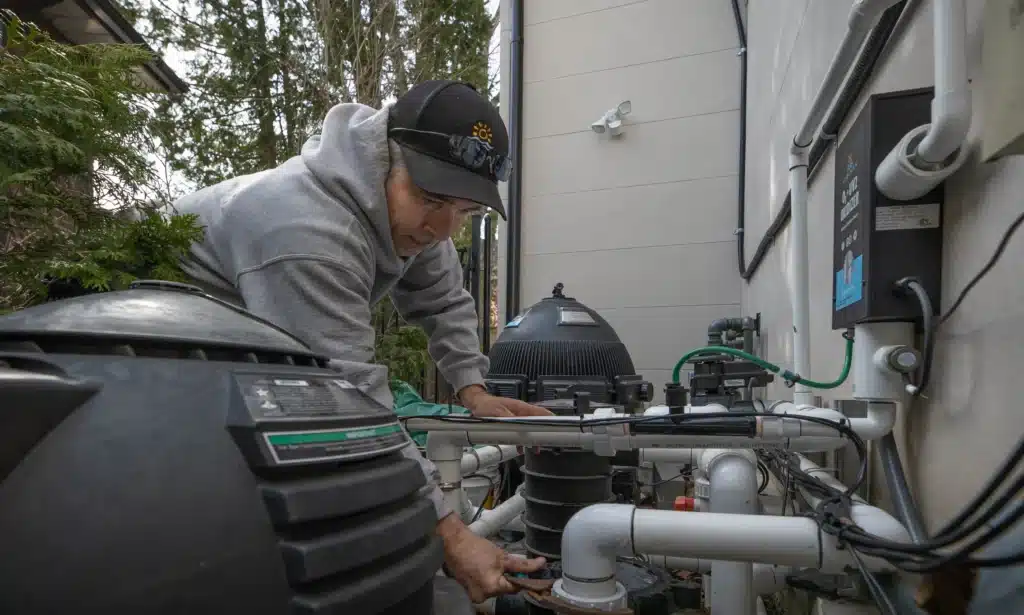
After completing the setup, turn on the pool pump and allow the system to run continuously for 24 to 48 hours.
During this time:
- Monitor water clarity
- Check for leaks around equipment
- Confirm proper circulation and filtration
Running the system helps distribute chemicals evenly and clear any remaining debris.

While many homeowners choose to open their pools themselves, working with a professional team can make the process significantly easier—especially after a long Ontario winter. Gib-San’s pool opening services are designed to ensure your system is safely restarted and ready for the season.
Standard Pool Opening
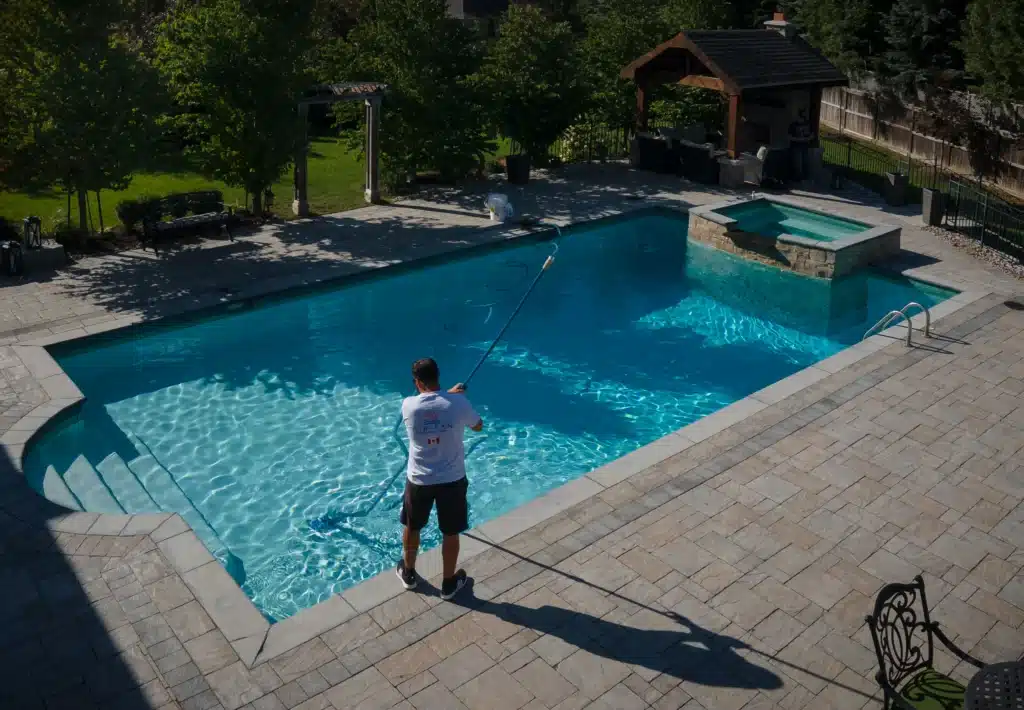
A Standard Pool Opening service provides the essential setup required for every pool at the start of the season. The process focuses on preparing the system for operation while identifying any potential issues that may need attention.
During a standard pool opening, the Gib-San Pools team will:
- Remove debris from the winter cover, clean and rinse it, then roll and prepare it for storage
- Rinse the pool tile and surrounding deck area
- Install pool deck equipment such as ladders or handrails
- Reassemble pool equipment and prepare the system for start-up
- Introduce the opening chemical kit to begin the water treatment process
- Start the circulation system where possible
- Provide a work order outlining materials used and any equipment concerns observed during the visit
This approach ensures your pool is safely restarted and gives homeowners a clear understanding of their pool’s condition at the beginning of the season.
Drain and Wash Pool (Optional Upgrade)
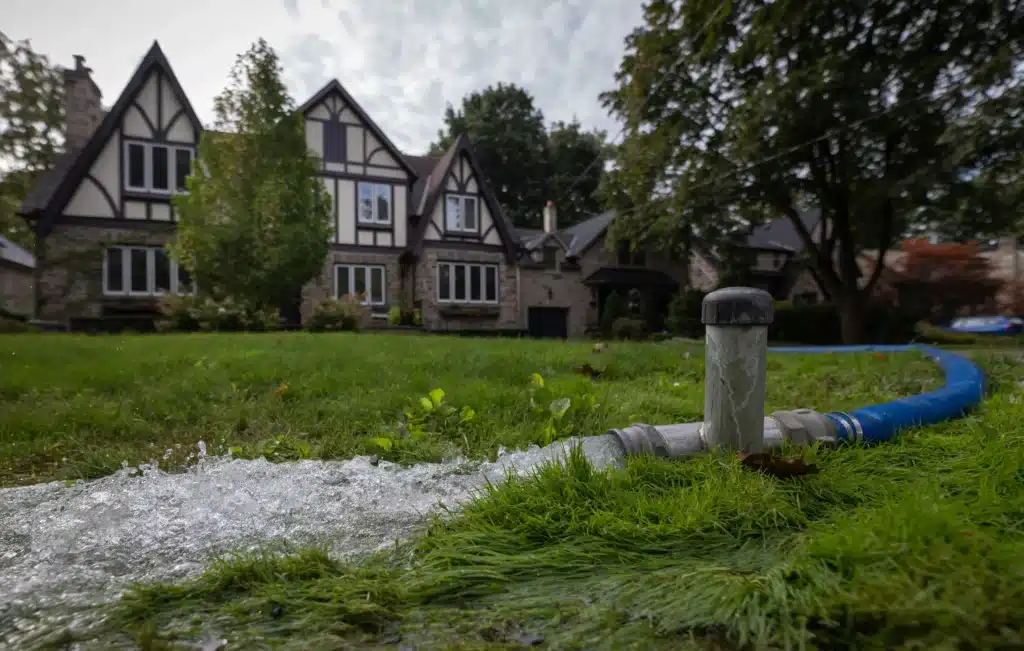
Some pools benefit from a deeper clean at opening, especially if debris or staining developed over the winter.
With the Drain and Wash upgrade, technicians will completely drain the pool, wash the interior surface, and remove debris before preparing the pool for refilling. During this process, key components such as drain covers and hydrostatic plugs are also inspected.
Because pool refilling times can vary, homeowners typically monitor the water fill after the cleaning is complete. Larger pools and saltwater systems may also require additional preparation during this process.
Spa Openings
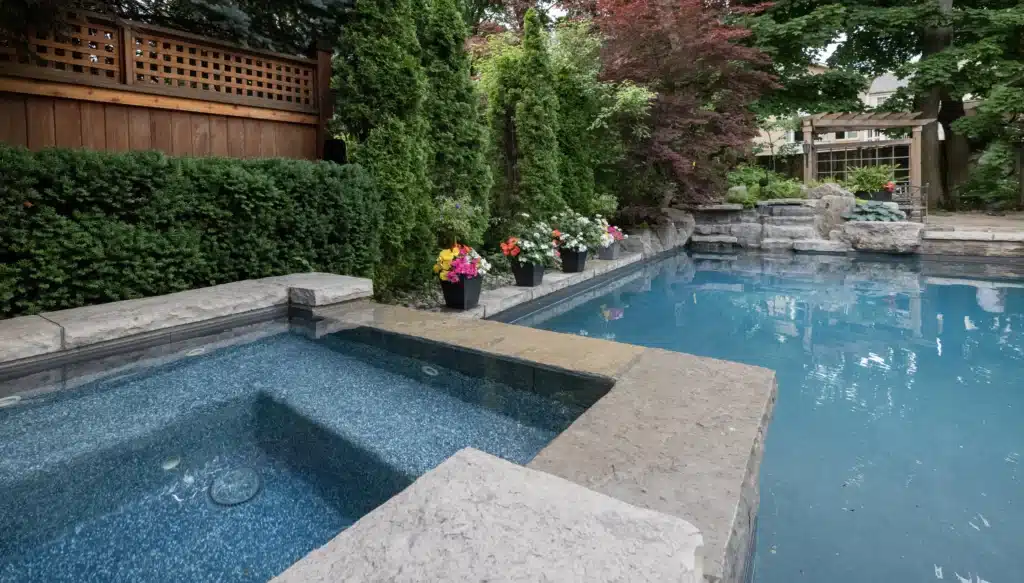
Pools with spas require additional steps to ensure both systems are operating properly.
For attached spas, the team will drain and clean the spa, remove winterizing plugs, reinstall fittings and jets, and prepare the system for normal operation.
For separate spas, technicians drain and clean the spa, assemble fittings and equipment, refill the system, and start the circulation where possible. The spa cover is also cleaned during the process.
If you also own a hot tub, proper care is essential for water quality and equipment longevity. Explore our hot tub maintenance guide for tips on keeping your spa running smoothly.
Water Features and Specialty Systems
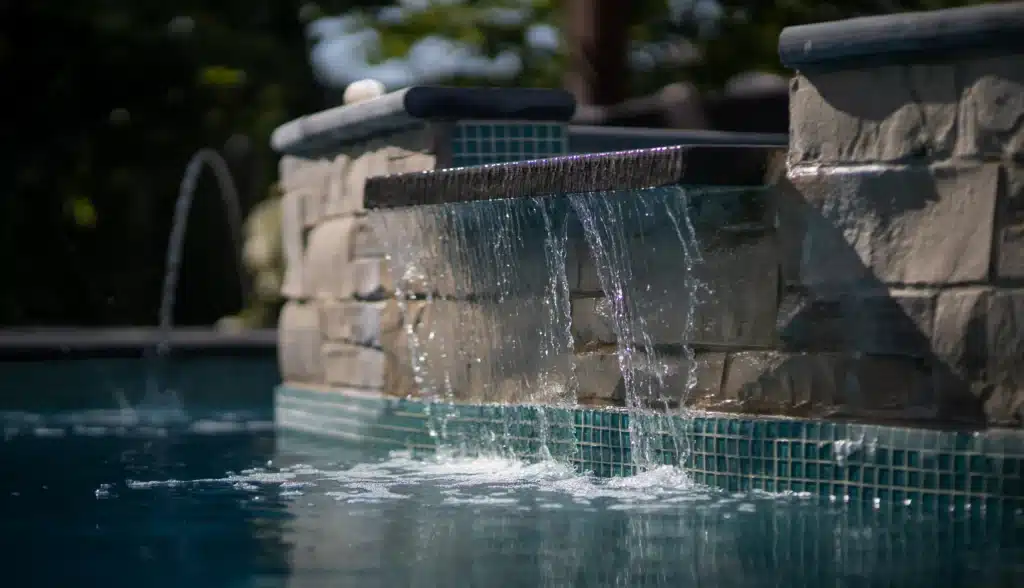
Pools with integrated water features or specialty systems require extra attention during spring opening.
Gib-San Pools technicians can prepare and restart features such as:
- Attached water features and spillways
- Separate fountains or water features
- Infinity edge systems, including cleaning basins and testing auto-fill systems
Each feature is inspected and prepared to ensure proper water flow and system performance.
Additional Opening Services
Homeowners can also request additional services to complete their pool opening, including:
- Initial vacuuming of the pool or spa
- Heater safety checks and start-up performed by a licensed gas fitter
- A follow-up system start-up and water balancing visit once the pool reaches operating level
These additional services help ensure the pool is fully operational and ready for use once swimming weather arrives.
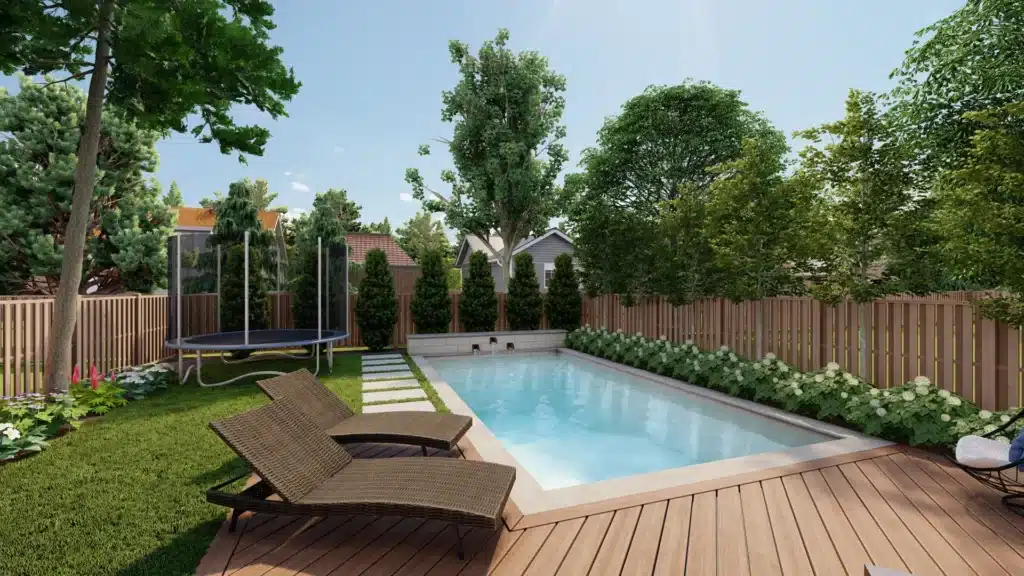
Opening your pool properly after winter helps ensure a cleaner, safer, and more enjoyable swimming season. By following the right steps, you can prevent common issues and get your pool ready faster.
However, many homeowners prefer to leave the process to experienced professionals, especially when dealing with equipment start-up, chemical balancing, and seasonal inspections.
Gib-San Pools Client Care team provides trusted pool opening services across Ontario, helping homeowners prepare their pools for the season with care and attention to detail.
Spring appointments fill quickly, so it’s best to schedule early!
Contact us today to secure your pool opening for the season.